

With the expansion of online streaming, Twitch stands out as a premier platform where gamers, creators, and artists display their talents and engage with viewers. With thousands of live streams happening every day, it's important for streamers to ensure their best moments and accomplishments are accessible to fans, even when the live session is over. Whether you are a new streamer aiming to grow your audience or a seasoned professional wanting to protect your legacy, knowing how to effectively record, download, and archive your Twitch content is crucial.
In this article, we will look at different techniques to save and store Twitch streams, VODs, clips, and highlights across a range of devices and platforms. From recording software tailored for your operating system to browser-based solutions that simplify the process, we will provide comprehensive guidance. We will also cover aspects such as maintaining audio and video quality, storage solutions, and legal considerations to ensure that your content remains protected and accessible for years to come. Come along as we explore vital tips and methods for safeguarding your Twitch experience while improving your channel's growth with effective archiving practices.
Capturing and Storing Twitch Streams
Preserving your favorite Twitch content is essential for maintaining memories and establishing your channel's legacy. To record Twitch streams, you'll need a reliable video capture tool that meets your quality needs, whether you are broadcasting on Windows or Mac. Popular options include OBS Studio, which offers powerful features like scene composition and excellent encoding. Ensure that you adjust the resolution and bitrate settings to achieve the best video and audio quality, making your highlights more pleasurable to view.
For users looking to save Twitch VODs and clips, utilizing Twitch's built-in features is a fantastic starting point. You can store streams directly through your Twitch control panel, as long as you've enabled VOD saving in your account settings. For more extensive archiving, consider using third-party tools that support bulk download options. This can simplify your content storage strategies and allow you to manage your Twitch highlights more effectively across different platforms.
When it comes to recording highlights, it's important to think about data storage and organization. Use specific file formats that balance quality and size, such as MP4, to ensure easy playback and editing. Additionally, think about utilizing cloud storage for permanent archiving to avoid losing valuable moments. Always keep in mind the legal aspects when saving and using Twitch content, respecting fair use guidelines to protect both your content and the work of others in the Twitch community.
Retrieving and Archiving VODs
To retrieve and archive VODs on Twitch, you'll first need to ensure your account is configured to retain your broadcasts. Access your Creator Dashboard, select the Settings tab, and enable the option to save past broadcasts. This will permit your streams to be up for download after they have get broadcasted, aiding you maintain your content for subsequent use.
Once your VODs are stored, you can download them straight from the Video Producer section of your dashboard. Here, you'll see a list of your past broadcasts. Select on the thumbnail of the VOD you wish to acquire, and click on the "Download" button. If you have a lot of VODs to archive, consider using a batch retrieval tool or application that facilitates bulk retrieval to ease the process, creating it more manageable to back up large volumes of content.
Archiving your downloaded VODs is essential for content preservation and arrangement. It's advisable to arrange your storage system categorically, retaining each video in a logical format. Consider using external hard drives or cloud storage services to provide safety and accessibility. Consistently review your archived content to manage storage effectively and make required edits or highlights for future redistribution, contributing both to channel growth and content longevity.
Top Tips for Twitch Clips
When making and saving Twitch clips, it’s essential to prioritize on top-notch content that appeals with your audience. Choose moments that showcase captivating gameplay, funny interactions, or major achievements. Compelling clips will not only delight viewers but also foster sharing and boost your channel's reach. Be mindful of audio and video quality; high-quality sound and sharp visuals make a substantial difference in viewer retention.
Efficient organization is key for managing your clips. Develop a uniform naming convention and classification system for your saved clips. This will make it easier to find specific moments later for editing or distributing on different platforms. Use tags and descriptions to boost searchability and optimize your clips for platform sharing, ensuring that they capture viewers well.
In conclusion, always consider the lawful guidelines surrounding your content. Acquaint yourself with Twitch’s policies and copyright regulations, particularly if you're using music or third-party content in your clips. Understanding fair use and copyright rules will help you steer clear of potential issues and ensure that your channel's development is sustainable and aligned with the platform's standards.
Setting Up a Professional Recording Space
Creating a professional audio space is essential for capturing high-quality Twitch content. Begin by ensuring that your audio area is quiet and free from distractions. Ideally, choose a location with minimal echo, and think about using acoustic materials like foam panels or carpets to improve audio quality. Lighting also has a significant role in video production. Invest in good lighting solutions, such as softbox lights or ring lights, to light your face and environment evenly, enhancing the total visual appeal of your streams.
Then, focus on the tech details of your recording configuration. A quality microphone is a must for recording clear audio, so consider options like USB or XLR microphones based on your budget. Additionally, select a HD webcam to make sure your video quality remains sharp. If you are utilizing a capture card for recording console gameplay, check that it supports the desired resolution and frame rate for optimal performance. Adjusting the correct resolution and bitrate in your recording software will assist strike a balance between video quality and file size, ensuring your streams look professional.
In conclusion, arrange your equipment and software for seamless operation. Use Capture Twitch content in bulk free recording software that is simple to navigate and supports multiple formats. Get to know yourself with its features, such as scene transitions and overlays, to improve your broadcasts. Establish a backup strategy for your recorded content to prevent data loss, and consider using an external hard drive or cloud storage for long-term archiving. By carefully setting up your recording environment, you will not only boost the quality of your Twitch streams but also create a more pleasurable experience for your audience.
Legalities and Standards Aspects
When filming and saving Twitch streams, it is crucial to be cognizant of the lawful consequences involved. Streamers must understand the copyright and reasonable use rules to steer clear of potential violations or suspensions on their accounts. It is important to only record material that you have or have clear authorization to employ. Acquainting yourself with Twitch's usage policy can assist you navigate these lawful waters and ensure you comply with all required rules.
Quality should also be a primary concern when preserving Twitch content. The resolution and quality rate of your captures can significantly affect the viewing experience. Always strive for optimal configurations to preserve the sound and visual quality of your streams. Utilizing a high-end recording setup can improve the final product, making your material more appealing for both individual review and sharing with your audience.
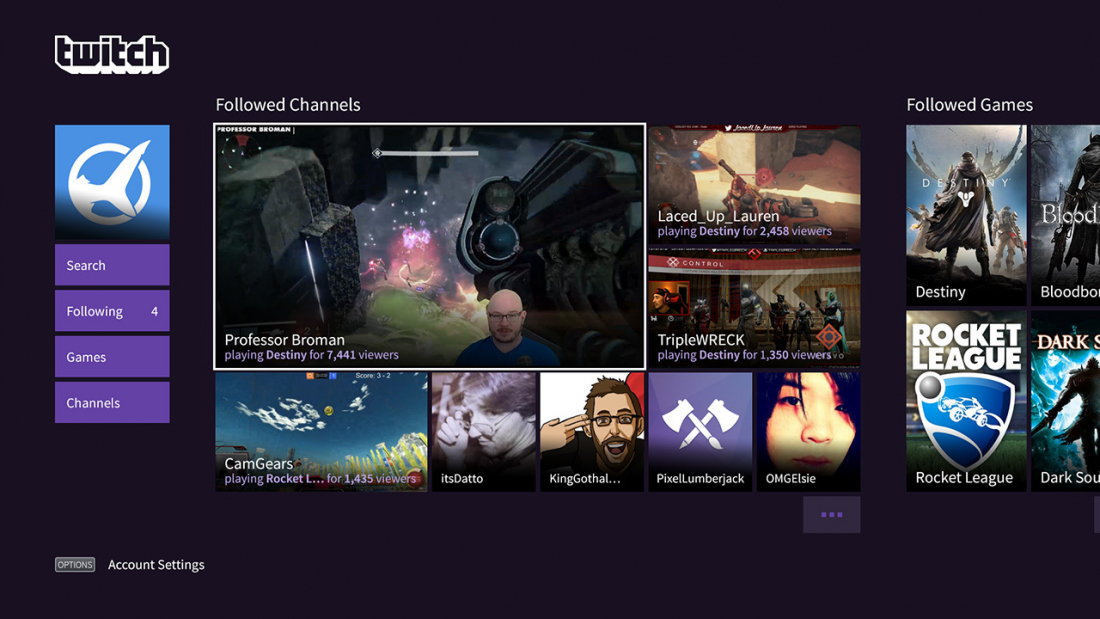
Additionally, think about the organization and long-term archiving of your captures. Effectively storing your content will save you energy in the time ahead. Employing appropriate video format options can aid with compatibility across multiple devices and platforms. Develop a video redundancy plan that includes routine backups to miss losing important recordings, making sure that your Twitch journey is well-preserved and readily accessible.